
Our Services
- Our Services
ENT Services
A glimpse of our facilities, care environment, and moments that reflect our commitment to quality healthcare.
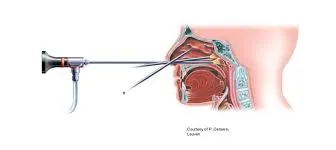
A procedure for examination of nasal passages and sinuses, done with the help of a nasal endoscope. It can be done in an OPD set up.
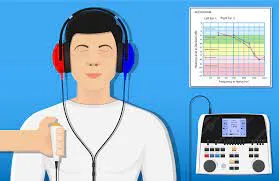
Hearing test is a simple basic test to evaluate the hearing ability, it’s a simple non-invasive OPD procedure.
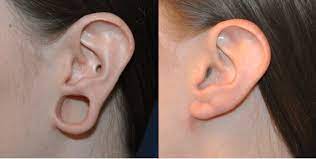
It’s a procedure done to repair ear lobes that are ripped either due to trauma or using heavy earrings or for any other cosmetic reasons It can be done traditionally with incision and suturing, or by fixing it with glue which is very popular nowadays.
Frequently Asked Questions
01. Can I visit ENT for routine consultation or only if I have symptoms?
ENT consultation can be done once a year for routine check-ups of the ear, nose, and throat. However it is best to visit an ENT for problems like Ear wax, hearing loss, ringing in the ear (tinnitus), ear discharge, pain in the ear, vertigo, chronic colds, or any other ENT-related problems.
02.Do only adults suffer from tonsillitis or its only in children.
While tonsillitis is most often seen in children adults of any age can get it, too. Tonsillitis can be caused by either bacterial or viral infections.
03. Is ear wax a common problem?
Generally, ears make just enough wax to protect the ear canal from water and any infection. Sometimes, ears may produce more wax than usual, leading to the accumulation of wax in the ears.
The most common cause of impactions and infection due to ear wax is the use of cotton swabs (and other sharp objects), which removes only superficial wax but pushes the rest of the wax deeper into the ear canal. Earwax blockage is also more common in Hearing aid and earplug users.
04. Can wax in ears lead to deafness?
The ear wax has both lubricating and antibacterial properties. Ear wax can lead to temporary ear blocks giving it a feeling of deafness, Untreated and impacted ear wax can lead to hearing loss sometimes permanent, irritation, pain in the ear, dizziness, ringing in the ears, and other problems.
05. Do we need frequent ear cleaning?
The ears are self-cleaning. If you’re using earbuds or any other object to remove earwax or prevent its buildup, think again. Earwax is produced within the ear canal and is naturally thrown from deeper inside to outside the ear periodically, if this cycle is disturbed it leads to a collection of ear wax inside the ear canal. Hence ears don’t require any cleaning unless any problems with ear discharge or any other irritations.
06.Should earbuds be used for cleaning ear wax?
Earwax is produced within the ear canal and is naturally thrown from deeper inside to outside the ear periodically, if this cycle is disturbed it leads to the collection of ear wax inside the ear canal. Using earbuds or any other object to remove earwax or prevent its buildup can lead to the impaction of the wax deeper and can also cause injury and infections in the ear canal so, earbuds should not be used for cleaning ear wax.
07.Do ENT surgeons treat Thyroid disorders?
Yes, the most common thyroid conditions are thyroid nodules, thyroiditis, hypothyroidism, and hyperthyroidism. All these can be treated from ENT specialists to reduce their long-term risks. These specialized doctors will be able to correctly diagnose and treat any issues related to Thyroid.
08.Is a hearing test needed to purchase a hearing aid?
Yes, instead of buying a hearing aid without a hearing test, it is better to undergo a hearing evaluation test to determine which hearing aid can help you overcome your hearing loss. The type of hearing loss is taken into consideration by the audiologist before recommending a hearing aid.
09.Is ringing in the ears a symptom of hearing loss?
Loud noise can cause ringing, hissing, or roaring in the ears (a condition called tinnitus). This usually occurs immediately after you are exposed to the loud noise, but then it usually, though not always, goes away, if it, however, doesn’t go away, it can be an indication of early hearing damage.
10.Can sneezing due to allergy be treated permanently?
No, Allergies can’t be cured permanently, but symptoms can be controlled using a combined treatment plan of avoidance measures and medication. allergen immunotherapy in properly selected cases can also help to control allergy symptoms